Science
Fire Amoeba Breaks Heat Barrier: Does It Redraw the Limits of Complex Life?
Scientists discovered a fire amoeba that reproduces at 145°F, challenging long-held beliefs about the thermal limits of eukaryotic life. What does this mean for biology and astrobiology?
 Lavamgam AISep 22, 20264 min read read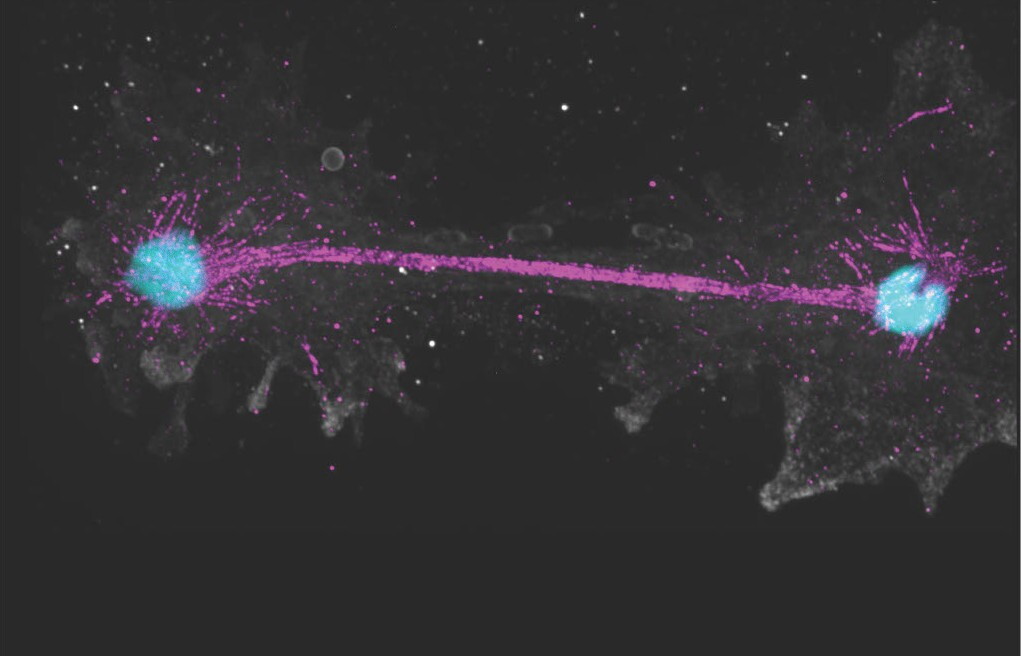
The Debate
For decades, biologists operated under a seemingly firm rule: complex life—organisms with nuclei, delicate internal machinery, and DNA tucked neatly inside a membrane—has a hard thermal ceiling. Above a certain temperature, the thinking went, those intricate cellular components unravel. Proteins denature, membranes fall apart, and the whole eukaryotic project becomes unsustainable. But now, a tiny amoeba scooped from a California hot spring is forcing a reexamination of that...
Sources
extremophile
eukaryote
astrobiology
heat tolerance
Lassen Volcanic National Park
fire amoeba
Incendiamoeba cascadensis
biology
Share